|
Home
Brewing Made Easy
Written By Steve Bader
This
brewing guide is designed to help the 1st time brewer make his or her first
batch of beer. I am trying to keep it
short and with as few "beer" words as possible. I will be emphasizing the basics of Homebrewing,
but not going into the details of why it is done this way. If you want to know more, I suggest reading "The
New Complete Joy Of Homebrewing" by Charlie Papazian, or take our
Beginning Brewing Class.
Listed below is the
equipment necessary for brewing 5 gallons of beer, which is the standard batch
size.
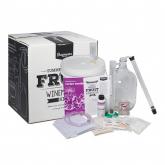
Included
in Beginning
Brewing Kit and Master Brewing
Kit
2 6 Gallon Glass or Plastic
Better Bottle Carboys
1 Rubber Cork With Airlock (S Shaped
Plastic, To Fit The Carboy)
1 Solid Rubber bung (better bottle
only)
1 Fermometer (Temperature Strip To Monitor Temp. Of Beer)
1 Hydrometer (To Test For Sugar Content Of Beer, which
helps you determine alcohol content)
1 Bottle Capper
110 Bottle Caps (1/2 pound)
1
Auto-Siphon, 4 foot Hose and
shut-off clamp
1 Fermtech Bottle Filler
1 Carboy Brush (NOT included in Better Bottle kit)
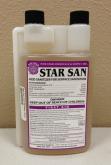
1 2 oz. PBW (Powdered Brewers Wash)
Cleaner
1 4 oz. Bottle Iodophor Sanitizer
Additional equipment
included in Master Brewing Kit
1
Large (8 inch) funnel (that
fits into the glass carboy)
1 Handled strainer (that fits inside
the funnel)
1 Beer Thief (for taking samples out
of the carboy)
1 Hydrometer Jar (for easier reading
of the hydrometer)
1 "New
Complete Joy Of Homebrewing" (The best book for beginners)
Other
equipment needed
1 4 To 5 Gallon (minimum size) pot To
boil beer in (Canning Pot, or Stainless
Steel)
50 12 Oz beer bottles (not twist top), Or 28 - 22oz
beer bottles for 5 gallons. (24 - 12oz bottles per case, or 12 - 22oz bottles per case)
1 Saucepan (About 3 Quart size)
Here
are the ingredients for your first 5 gallon batch of homebrew. This recipe is for a beer we call NorthWest Pale Ale. (Clone of Mirror Pond/Sierra Nevada)
3.3
Pounds Light malt extract Syrup
2.0 Pounds Light Dry Malt Extract
1 Pound
(10L) Munich malt (crushed in store)
1 Pound
Great Western 2-row malt (crushed in store)
2 Ounce
Centennial hops (boil 60 minutes, for bitterness)
1 Ounce
Cascade hops (boil 15 minutes for flavor)
1 Ounce
Cascade hops (boil last 5 minutes, for hop aroma)
1 Teaspoon
Irish Moss (boil 60 minutes for clarity)
1 White
Labs “California Ale” yeast
3/4 cup corn
sugar for bottling
Sanitation
is the most important process in brewing great beer. Everything that your beer comes in contact
with must be clean and sanitary. The
Iodophor sanitizer works well to sanitize your equipment, and does not require
rinsing. Make your sanitizing solution
when you start, and use it during the entire brewing process. When the color of the solution becomes clear,
it no longer is useful. Hoses, carboys, strainers, funnels, and airlocks all need to
be sanitized. Anything that will come in
contact with your beer after you are done boiling needs to be
sanitized. A 10 minute soak in the
sanitizer solution will sanitize your equipment. Clean
and sanitary are two different things. Clean means you have no visible residue on the surface of your
equipment. Sanitary
means all bacteria, mold and wild yeast are killed or neutralized. Clean your equipment after every use
with PBW or Straight A. Sanitize
your equipment before you use it. If
you sanitize properly, you will consistently make great beer!
A special word about glass vs. plastic
fermenters.
Plastic
“Better Bottles” are a new type of plastic carboy that is “hydrophobic”, which
means they repell liquids. This means
they do not get as dirty as glass carboys.
However, you CANNOT use a brush
to clean the better bottles, since a brush will scratch a Better Bottle. Use a percarbonate cleaner like PBW
(included) to clean them when you are done with them. Fill the bottle with about a gallon of warm
water and 1 Tablespoon PBW, and put the solid bung on. Shake the bottle to get the interior coated,
release any pressure, and then let set for up to an hour upside down to clean
the neck area. Then rinse and
sanitize. Please note that the 6 gallon glass fermenters are actually about 6 ½
gallons volume to the base of the neck, and the Better Bottles are 6 gallon
volume to the base of the neck.
Brew
day will take about 2 hours from start to clean up.
Fermentation
will take 10 to 14 days, you may wait longer till you are ready to
bottle
high
temperatures (above 72º)
will speed up fermentation, but is not desirable for flavor of beer
Bottling
day will take about 1 1/2 hours. 7 days later you can drink your beer!
1)
Start brewing. Remove
the vial of White Labs yeast from the refrigerator and set out at room
temperature to warm up. Fill your brewing pot with about 2 gallons of
hot water. Add the 2 cracked malted grains together to the
brewpot, turn the heat to low and let the malts steep for about 30 minutes. 150°
is the preferred temperature, but don’t worry if you don’t have a
thermometer. Avoid boiling the malts.
2)
While
your grain is steeping, clean the inside of one of your 6 gallon glass carboys,
then sanitize it by filling it with 1 Tablespoon Iodophor and about
6½ gallons of cold water (fill to the very top). (Tip:
fill one gallon at a time, try to mark the 5½ gallon level) Let it soak for about 10 minutes and then
dump all of the sanitizing solution into a sink or other container to sanitize
the rest of your equipment.
3)
Remove most of the
malted grains from the brewpot when the 30 minute steeping is done. Use a handled strainer to scoop it out. Throw the
malted grain onto the compost pile.
Don’t worry if you leave a little.
4)
Turn
heat to high and bring the beer (the beer is actually called wort at this
stage) to a boil.
5)
When
beer has started to boil, slide the pot off the hot burner to avoid scorching
the malt syrup. Add about 2 cups of the Light malt extract syrup, 1 teaspoon Irish Moss, and 2 ounces of the Centennial hops to the beer. (This
hop addition is where the bitterness is added to beer.) Stir the malt to completely dissolve it in
the water. Return the pot to the burner
and heat to a boil. Do not put the lid
on your pot unless you want a boil over!!
The addition of the malt syrup will lower the temperature in the pot,
and will take a few minutes to return to a boil.
6)
Let
boil for a total of 60 minutes. Have
a glass of your favorite beer---you deserve it!!
7)
With about 15 minutes to go, add 1 ounce of Cascade hops (the bag is 2 ounces) to the beer. This
hop addition increases hop flavor (some bitterness, some unique flavors)
8)
Also
with about 15 minutes to go, fill the
sanitized carboy with about 2 gallons of cold water (the colder the
better). Put funnel, strainer, beer
thief and a saucepan in the sanitizing solution to soak.
9)
Add
the last 1 ounce of Cascade hops to your beer with 5 minutes left in the
boil. (This addition of hops is for hop aroma).
10)
When
the beer has boiled for a total of 60 minutes, turn off the heat, and add the
remaining malt syrup and dry malt extract.
Stir to mix the malt syrup and dry extract evenly in the beer. Wait 10 minutes for the malts to dissolve
completely and sanitize.
11)
Place
your sanitized funnel on the carboy and a sanitized strainer in the
funnel. Using your sanitized saucepan,
ladle the beer into the carboy through the strainer. Discard the hops and any of the malted grains
that may be left. Top off the carboy
with cold water to the 5½ gallon mark
you made when you first sanitized the carboy.
. (This should leave you about 7
inches from the very top of the glass carboy, or about 2”-3” below the shoulder
of the glass carboy – about 3 inches below the neck on the better bottles.)
12)
Mix
up the beer in the carboy thoroughly.
Draw out enough beer using a sanitized beer Thief to float the
hydrometer in it's tube. Take a reading
where the hydrometer floats at the water line.
(it should be 1.000 in water on the specific gravity scale). Your reading should be approximately 1.048. The
beer settles in just a few minutes, so take your reading immediately after
mixing. Write the specific gravity
down for later use. Original Specific
Gravity__________________
13)
Place
a sanitized airlock and cork in the mouth of the carboy and fill the airlock
with some of the sanitized water to create a water barrier. Let the beer cool until the temperature on
the fermometer shows 78º
or cooler. (this is almost immediately
when you have cold tap water in the winter--in the summer it may take a few
hours). You can speed up the cooling
process by putting the carboy in the sink and wrapping a wet towel around
it. Additional cooling can be achieved
by placing ice cubes in the neck area under the towel. It is better to cool the beer to between 75º
and 78º quickly so you
can add the yeast.
14)
When
beer is 75º to 78º
it is time to add the yeast. Shake the
room temperature vial of yeast to suspend the sediment in the liquid. Remove the cap, and then add the yeast to the beer. Fermentation should start in about 10 to 20
hours. Ferment your beer at room
temperature, about 68º-70°. Avoid temperatures above 72º
and below 64º.
15)
Fermentation
should last about 10 to 14 days. It is
possible, and quite likely, for the
fermentation to be shorter or longer.
Warmer temperatures cause a faster fermentation. The easiest way to tell if fermentation is
done is to time how fast the bubbles come out of the airlock. When the bubbles have slowed to longer than
60 seconds between bubbles, it is time to bottle your beer. You could also take a hydrometer reading of
your beer at this time, and if it is between 1.012 and 1.016 the beer is done
fermenting.
16)
Clean
and sanitize your second carboy,
auto-siphon and hose, bottle filler. with Iodophor as in
step
2. Clean your beer bottles of
residue, and sanitize in the same solution that you sanitized your
carboy.
Soak the bottles and bottle caps in the Iodophor solution for 10
minutes, then drain them for
about 10 minutes before filling.
17)
Boil
3/4 cup of corn sugar in 2
cups of water for 5 minutes. The
addition of this sugar to your beer will cause fermentation to re-start in the
bottle and carbonate your beer.
18)
Put
full carboy of beer on table, and empty sanitized carboy on the floor
underneath it. Siphon the beer into the
empty carboy using your sanitized siphon assembly. You are trying to separate the beer from the sediment on the bottom of the
carboy, so try not to mix up the beer at this time. The sediment tip on the siphon assembly
allows you to set the siphon assembly on the sediment, and suck only a small
amount of sediment into your beer. Avoid
splashing the beer. After you get about
1/2 a gallon siphoned into the carboy, add the corn sugar mixture to the carboy
and finish siphoning the beer. Mix this
sugar gently in the full carboy to get an even carbonation in all the
bottles. While you are siphoning this
take another hydrometer reading. The
original reading you took earlier (see #12), minus the final reading,
multiplied by .125 gives you an estimated alcohol content by volume. (this beer should be about 1.048 starting and
1.014 ending) 1.048 minus 1.014 =
34. 34
x .125 gives you an alcohol content of 4.25% by volume. Final
Specific Gravity________________
19)
Put
the full carboy up on the table. Put the
siphon assembly into the beer, and the bottle filler on the end of the siphon
hose. Fill the bottles to the top with
the bottle filler, when you remove the bottle filler from inside the bottle,
the beer will be about 1½ inch from the
top. Then cap the bottles.
20)
Let the bottles age at room temperature (65º
to 80º)
for 1 week to carbonate. Temperatures
below 65° will be too cool for the yeast to carbonate the beer.
|